On-device AI with Gemma and LiteRT LM
Run a local language model on Android and understand initialization, inference lifecycle, concurrency, cancellation, storage, privacy, offline behavior, and model constraints.
Coming soon · Every lesson will be free
Learn how to engineer a complete offline RAG system, from private documents and embeddings to retrieval, grounded answers, evaluation, and real device limits.
For mobile developers who already know how to build apps. This is engineering, not another API wrapper demo.
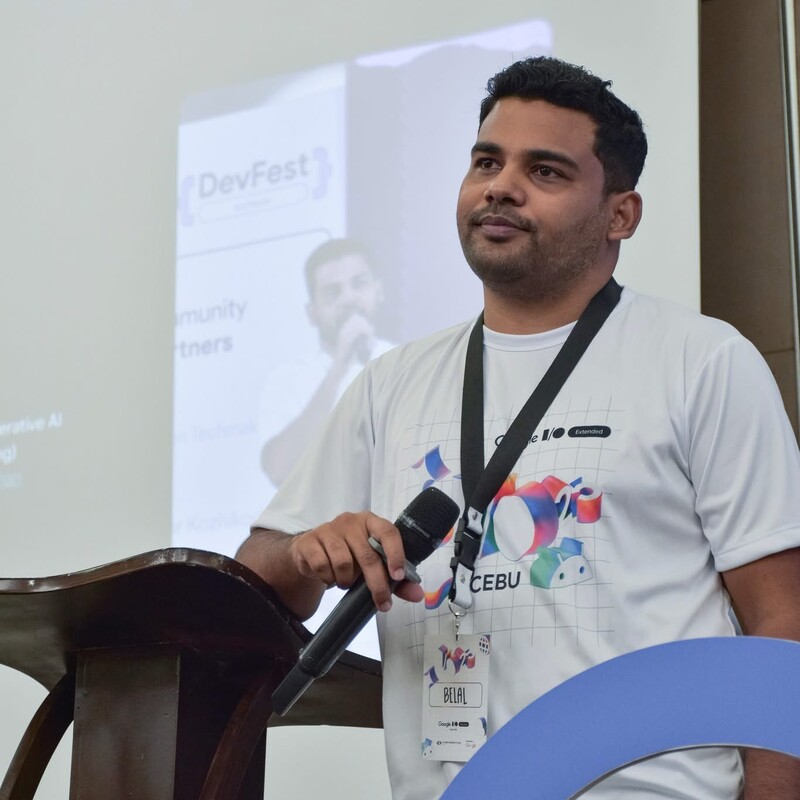
WATCH THE COURSE PREVIEW
The trailer will give you a quick look at the app, the course plan, and the engineering problems we will solve together.

01 / WHY THIS COURSE
An AI feature still needs someone to decide where inference should run, how private data is handled, what evidence the model receives, why retrieval failed, and whether an answer is grounded.
This course teaches those decisions through a real Android RAG system, including the mistakes and tradeoffs simple demos usually hide.
02 / WHAT YOU’LL LEARN
From model startup to evaluation, the course follows the whole system, not disconnected definitions.
Run a local language model on Android and understand initialization, inference lifecycle, concurrency, cancellation, storage, privacy, offline behavior, and model constraints.
Follow the engineering path from private documents to indexed chunks, retrieved evidence, constructed context, generated answers, and citations.
Understand how text becomes vectors, how extraction and chunk boundaries affect retrieval, and how embeddings can be stored and searched on the device.
Learn why semantic similarity can return plausible but wrong evidence. Improve results with lexical signals, hybrid retrieval, metadata, thresholds, reranking, and query handling.
Select, label, order, compress, and constrain retrieved evidence for a small local model with a limited context window.
Separate retrieval failures from generation failures. Measure relevance, groundedness, exactness, refusal behavior, latency, and regressions.
Measure model startup, time to first token, memory pressure, battery use, thermal behavior, storage, and performance differences across real devices.
Plan model downloads, integrity checks, versioning, licensing, device compatibility, explicit consent, and clear boundaries for an optional cloud fallback.
03 / NO BOILERPLATE THEATRE
We will not rebuild Compose screens, navigation, dependency injection, or routine Android boilerplate line by line. Important code appears when it explains an engineering decision.
WHO IT’S FOR
You should be comfortable with Kotlin, coroutines, application architecture, and local persistence. No machine learning background is required.
THE FREE COURSE PROMISE
There is no paid course hidden behind this page. Subscribe so the first lesson can reach you when it is released.
Subscribe for the complete free course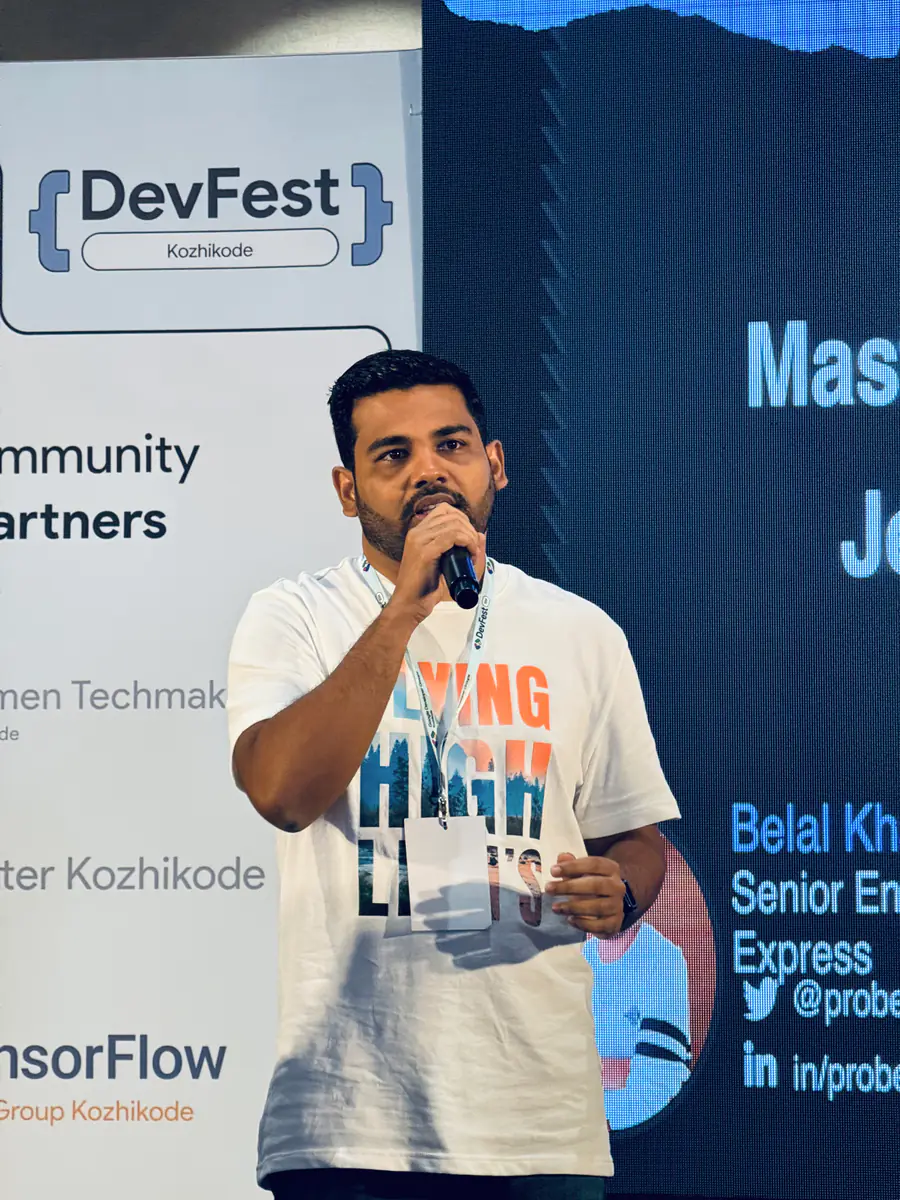
04 / YOUR INSTRUCTOR
I am an Android engineer, Google Developer Expert for Android, and the creator of Simplified Coding. I have spent more than ten years building mobile products, teaching developers, and speaking with developer communities.
This course comes from building an on-device RAG application myself. I’ll show the decisions that worked, the failures that changed the design, and the limits I would resolve before calling the system production-ready.
This course represents Belal’s own work and is not an endorsement by his employer, Google, Android, or the Gemma team.05 / FREQUENTLY ASKED
Yes. Every lesson will be free to watch on the Simplified Coding YouTube channel.
No account is required to watch the course on YouTube. An account is required only for protected event access and optional website features.
No. The course explains the necessary AI concepts from an Android engineer’s perspective.
No. You should already understand Kotlin and normal Android application development.
The course uses a complete working application as its case study. It focuses on RAG and on-device AI engineering instead of recreating every screen and piece of boilerplate.
The local RAG path can work without internet after the required model assets are available and the documents have been indexed. Device support and performance will vary.
The course is in production. No fixed release date will be promised until the first lesson is ready.
START HERE
Follow a real Android RAG system from local inference to retrieval quality, evaluation, and device limits. Every lesson will be free.
Subscribe for the free Android AI course